
Searching for ‘mthfr weight gain’ means you’re likely curious about how MTHFR gene mutations are linked to weight gain and what you can do about it. MTHFR gene variations can disrupt your metabolism and hormone balance, making weight management challenging. This article will explain the connection and offer practical strategies to help you manage your weight effectively.
Key Takeaways
The MTHFR gene plays a crucial role in folate metabolism, and certain variants can lead to impaired weight management due to hormonal imbalances and metabolic disruptions.
Individuals with MTHFR mutations benefit from personalized dietary strategies rich in natural folate and B vitamins, which can help enhance metabolic health and support weight management.
Genetic testing for MTHFR polymorphisms allows for tailored health interventions, enabling targeted dietary and lifestyle changes to effectively address weight issues related to these genetic factors.
Understanding the MTHFR Gene

The MTHFR gene, or methylenetetrahydrofolate reductase gene, is a critical player in the body’s folate metabolism. This gene provides instructions for producing the enzyme called methylenetetrahydrofolate reductase, which regulates the conversion of folate into its active form, 5-MTHF. This process is crucial for DNA methylation, which affects gene expression and overall cellular function.
Common variants of the MTHFR gene, such as C677T and A1298C, can significantly impact enzyme activity. For instance, the C677T variant is associated with lower enzyme activity, leading to impaired folate metabolism and potential health issues. Recognizing these genetic factors helps address the challenges posed by MTHFR mutations, especially concerning weight management.
The Link Between MTHFR Mutations and Weight Gain

Research has shown that certain MTHFR genetic variations, like the C677T variant, are linked to a higher likelihood of obesity. Individuals with these mutations often experience challenges in managing their weight, despite following conventional diet and exercise routines.
MTHFR mutations can lead to elevated levels of unmetabolized folic acid and high homocysteine levels, both of which contribute to weight gain. These metabolic disruptions can result in increased fat accumulation and adversely affect insulin levels, making weight loss more difficult.
Recognizing this connection aids in creating effective weight management strategies for those with MTHFR mutations.
Common MTHFR Variants and Their Impact
The two most common MTHFR variants are C677T and A1298C. The C677T variant can lead to lower enzyme activity and higher body weight, while the A1298C variant reduces enzyme function to about 60% of normal. These genetic variations can significantly impact body composition, including total lean mass and fat mass.
Studies have shown that individuals with the T(+) genotype of the C677T MTHFR gene polymorphism tend to have higher body weight and body fat compared to T(−) carriers. Knowing these common mthfr gene polymorphisms enables better-targeted interventions to manage weight and enhance metabolic health through mthfr polymorphism testing.
Folate Metabolism and Weight Management
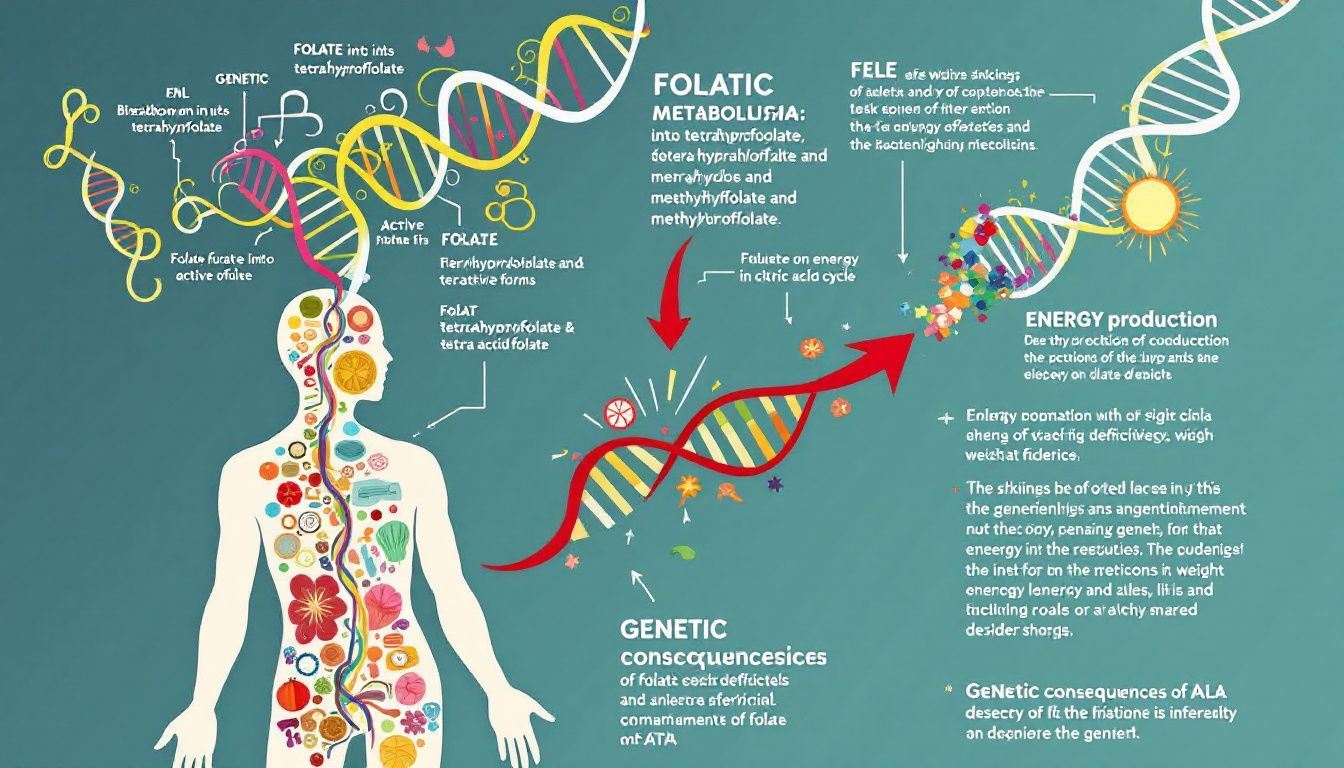
Folate metabolism plays a pivotal role in weight management, and individuals with MTHFR mutations often struggle with this process. Impaired folate metabolism can lead to high levels of unmetabolized folic acid, which in turn can increase fat storage and hinder weight loss efforts. This highlights the need for a diet rich in natural folate sources for those with MTHFR mutations.
B vitamins are essential for effective folate metabolism and can help control weight for individuals with MTHFR mutations. Deficiencies in these vitamins can lead to metabolic disruptions, contributing to weight gain issues. Addressing these deficiencies can greatly improve metabolic health and support weight management.
Hormonal Imbalances Due to MTHFR Mutations

MTHFR mutations can disrupt the body’s ability to methylate estrogen, leading to hormone imbalances. Methylation is crucial for efficiently clearing estrogen from the body, and deficiencies in this process can contribute to hormonal disruptions. High homocysteine levels linked to MTHFR mutations can also influence insulin sensitivity and fat storage.
These hormonal imbalances can lead to various health issues, including anxiety, depression, and cardiovascular problems. Individuals with MTHFR mutations may experience higher abdominal fat accumulation due to these metabolic disruptions. Additionally, a significant number of people with MTHFR mutations present with fatty liver, which can further contribute to weight gain.
Managing weight effectively requires addressing these hormonal imbalances in individuals with MTHFR mutations. Steering clear of synthetic folic acid and emphasizing natural folate sources can help alleviate these problems.
The Role of B Vitamins in Managing MTHFR-Related Weight Issues
A B vitamin-rich diet is crucial for individuals with MTHFR mutations to support metabolism and energy use. These vitamins are vital in various metabolic processes, aiding in weight control and overall health improvement.
Individuals with MTHFR gene variants may require specific forms of folate, like methylfolate, to improve nutrient absorption. This ensures that their bodies can effectively utilize the essential nutrients needed for weight management.
Importance of B12 and B6
Vitamin B12 plays a crucial role in methylation, which is essential for individuals with MTHFR mutations. B12 serves as a cofactor in converting homocysteine to methionine, a crucial process for those with MTHFR mutations. Additionally, B12 is needed for protein and fat metabolism, highlighting its importance in providing energy and maintaining metabolic health.
Vitamin B6, on the other hand, is vital for neurotransmitter synthesis, influencing mood and energy levels in individuals impacted by MTHFR mutations. Together, these vitamins support various metabolic functions and contribute to effective weight management.
Addressing Nutrient Deficiencies
Tackling nutrient deficiencies is key to managing weight gain in individuals with MTHFR mutations. Lower intake of B vitamins correlates with a smaller increase in BMI, while higher deficiencies are associated with a greater increase. Maintaining adequate levels of B vitamins is essential to prevent exacerbating weight gain among those with MTHFR mutations.
A deficiency in B vitamins can disrupt metabolism, leading to weight-related issues. Addressing these deficiencies can greatly improve metabolic health and support weight management.
Genetic Testing for MTHFR Polymorphisms
Genetic testing for MTHFR polymorphisms helps understand how well you detoxify and process essential nutrients like methyl folate and vitamin B12. This knowledge can lead to personalized health strategies, enhancing treatment effectiveness. The first step to address weight loss caused by gene mutation is to get a comprehensive gene test.
Knowledge of genetic polymorphisms can help tailor dietary interventions, forming a diet plan for weight management based on an individual’s genetic makeup and nutritional status. This personalized approach can significantly improve metabolic profiles and enhance weight loss outcomes.
Dietary Interventions for MTHFR-Related Weight Gain
Dietary changes are key to managing weight gain linked to MTHFR mutations. Women with the C677T MTHFR variant experience different metabolic responses to dietary interventions compared to those without this variant. Higher folate intake in the diet has been associated with reduced body fat and improved metabolic health in individuals with MTHFR mutations.
Individuals with MTHFR mutations may need specific dietary changes, such as avoiding synthetic folic acid in supplements and processed foods. Focusing on natural sources of folate can help support better health outcomes.
Low-Folate Diet Adjustments
Increasing the intake of bioavailable forms of folate is vital for those with MTHFR mutations. Individuals with MTHFR mutations may need to adjust their intake to focus on natural folate sources rather than synthetic folic acid supplementation.
This method ensures their bodies can effectively process and utilize folate along the folate pathway, aiding in metabolic health and weight management.
Incorporating Folate-Rich Foods
Natural sources of folate, such as dark leafy greens, including spinach and kale, are recommended for individuals with MTHFR mutations. Foods such as leafy greens, legumes, avocados, and citrus fruits are excellent sources of natural folate.
Including these folate-rich foods is key to supporting better health outcomes and managing issues related to MTHFR mutations. These dietary changes can significantly support individuals in managing their weight and overall health.
Lifestyle Changes to Combat Weight Gain
Genetic differences can make some individuals more prone to weight gain in an obesity-promoting environment, which may indicate an increased risk factor for those with a genetic predisposition to weight gain. Individuals with a genetic predisposition to weight gain may need to adopt a targeted approach with specific dietary interventions and exercise strategies.
Restoring digestive system integrity and rebalancing gut microflora can improve weight management for individuals with MTHFR mutations. Including dark leafy greens in the diet can help obtain necessary folates more effectively, supporting better weight management outcomes.
Consulting Healthcare Professionals
Healthcare professionals can offer personalized strategies for effective weight management, particularly for those with MTHFR genetic polymorphisms. Advanced Functional Medicine addresses health issues related to MTHFR genetic polymorphisms and utilizes testing methods to inform treatment plans.
A holistic approach in healthcare involves considering genetic factors, diet, and lifestyle influences to promote sustainable weight loss. Identifying genetic predispositions and understanding biochemical imbalances can help healthcare professionals provide tailored advice for diet and supplements, particularly in relation to cardiovascular disease.
Summary
Managing weight with MTHFR mutations requires a comprehensive approach that includes understanding genetic factors, dietary adjustments, and lifestyle changes. Addressing hormonal imbalances, nutrient deficiencies, and leveraging genetic testing can significantly improve weight management outcomes. By incorporating folate-rich foods and consulting healthcare professionals, individuals can develop personalized strategies to combat weight gain effectively.
In conclusion, the journey to managing weight with MTHFR mutations is multifaceted but achievable. With the right knowledge and support, you can take control of your weight and overall health. Remember, your genes don’t define your destiny; they simply provide a roadmap. Use this information to make informed decisions and embark on a healthier, more fulfilling life.
Frequently Asked Questions
What is the MTHFR gene, and why is it important?
The MTHFR gene is vital for folate metabolism, influencing how the body processes this essential nutrient. Variations in this gene can affect enzyme activity, which may have implications for overall health and weight management.
How do MTHFR mutations lead to weight gain?
MTHFR mutations can cause elevated unmetabolized folic acid and disrupt insulin levels, leading to increased fat storage and ultimately contributing to weight gain.
What dietary changes are recommended for individuals with MTHFR mutations?
Individuals with MTHFR mutations should prioritize natural folate sources while avoiding synthetic folic acid, and ensure sufficient intake of B vitamins for optimal metabolic support. This dietary approach is crucial for effective management of the condition.
How can genetic testing help manage weight gain associated with MTHFR mutations?
Genetic testing for MTHFR mutations facilitates personalized dietary and lifestyle recommendations, which can effectively support weight management efforts. This targeted approach helps address the unique challenges posed by these genetic variants.
Why is it important to consult healthcare professionals if you have MTHFR mutations?
Consulting healthcare professionals is crucial for managing MTHFR mutations as they offer personalized strategies tailored to your genetic predisposition and overall health. This approach ensures effective management of any associated health risks.